Algia(Pain)
- Pain
- Fibro-myalgia
- Migraine


Are you experiencing stress? Everyone has felt stressed at some point. The term "stress" is frequently used synonymously with "extremely busy" or "I don't have any time right now." This condition is usually temporary. If the body is given enough time to recover, there will be no negative consequences. The temporary state of alertness our bodies experience, however, has the potential to develop into a chronic state of alarm if it persists and is exacerbated by additional stressors.
Chronic stress doesn't have a single cause or symptom. It is almost always a unique combination of several factors.






The brain triggers the biochemical and physical stress responses. As a result, many of those affected have the feeling that something isn't quite right in their head. It is simply a matter of the body's operational readiness and the continuous release of messenger substances like adrenaline, noradrenaline, serotonin, and cortisol that was produced.
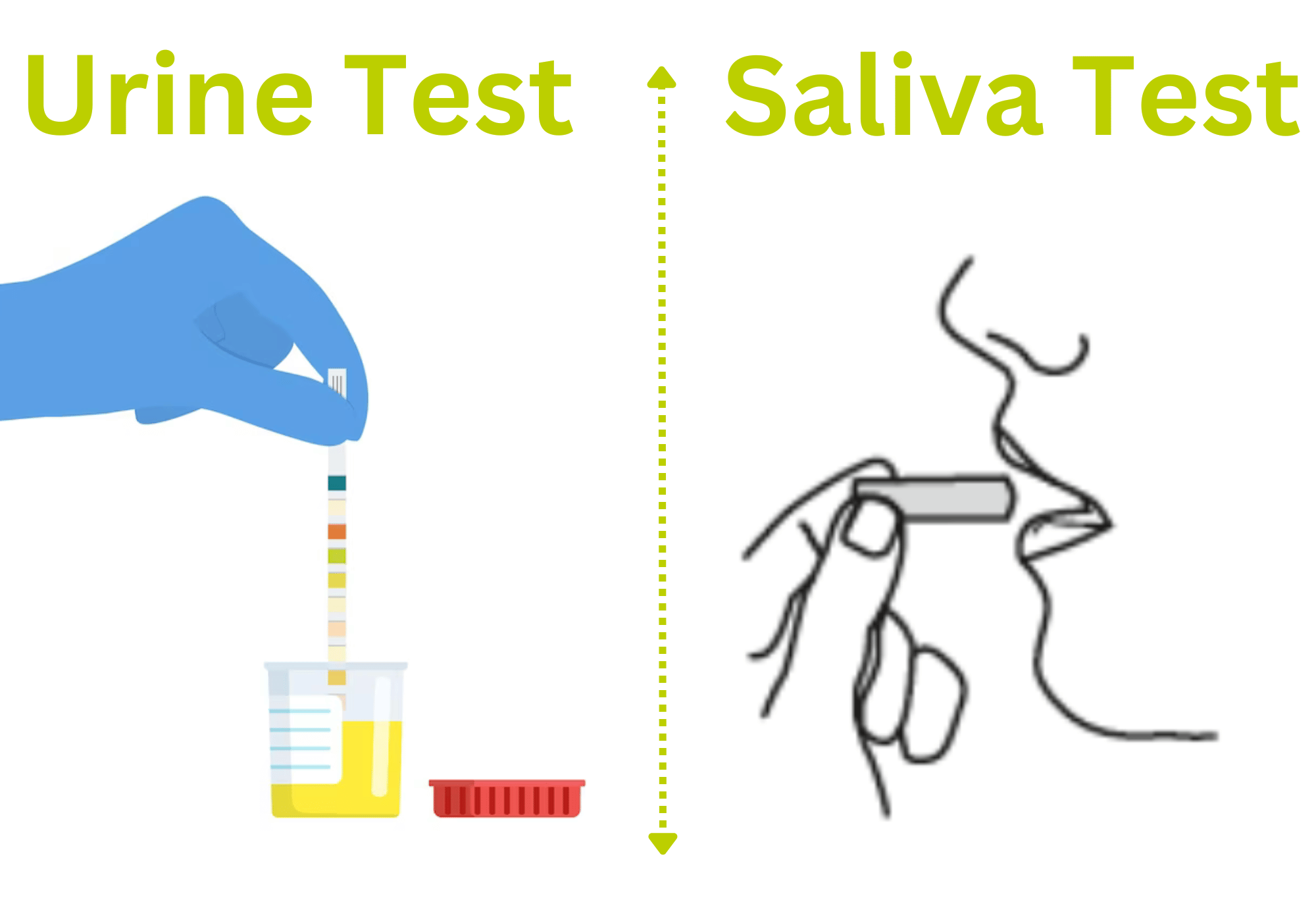
The good news is that the presence of these messenger substances in the body can be detected using a simple urine and saliva test. The balance can be restored by combining the results of the two tests.
The messenger substance building blocks must be absorbed simultaneously with the food. As a result, an individually tailored healthy diet combined with naturopathic treatment can be effective.

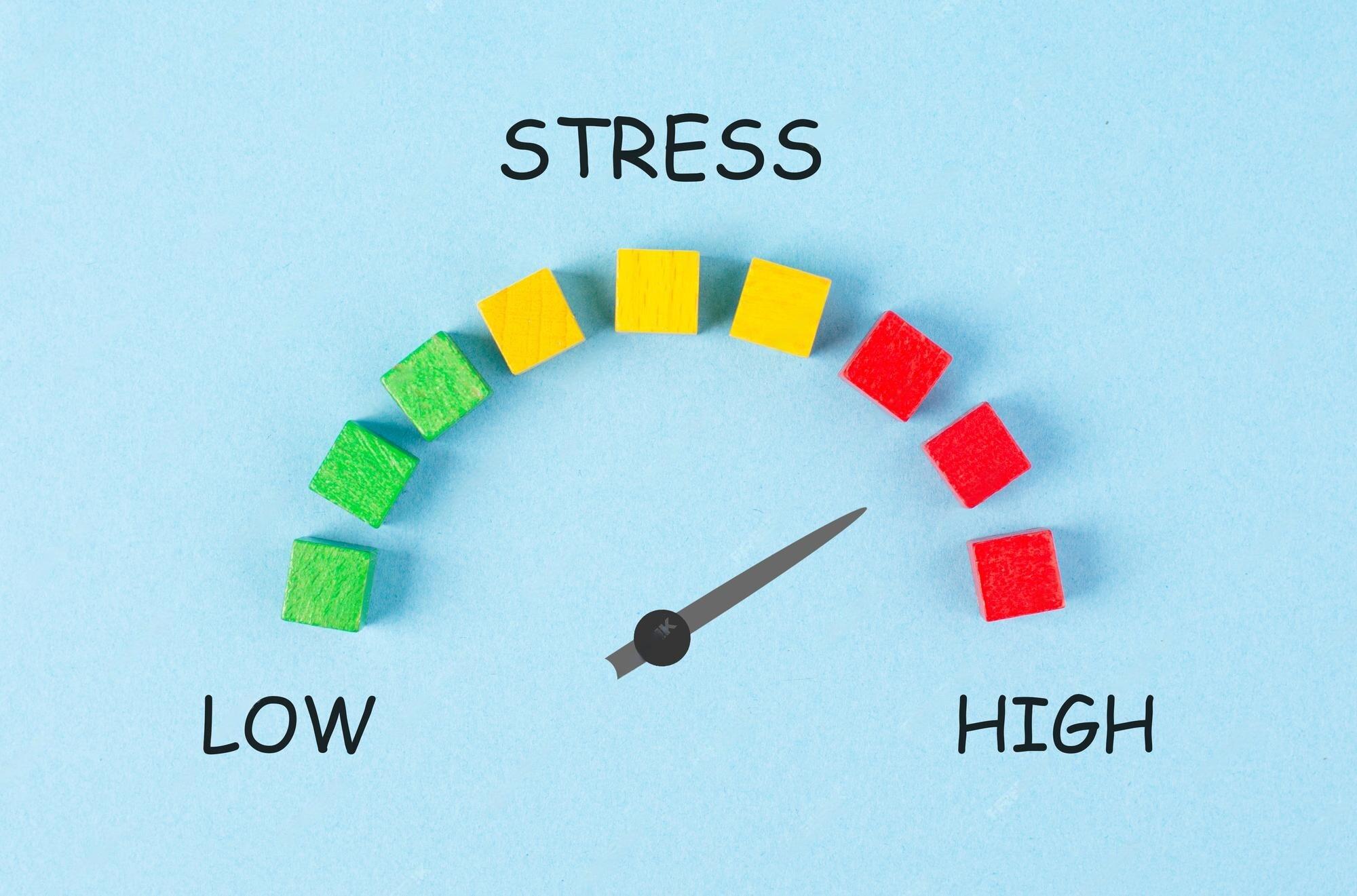
The Stress-O-Meter provides an initial indication of how much juice is remaining in your battery. A subsequent NeuroSpot test, consisting of a simple urine and saliva test, demonstrates how to charge your battery.
The Stress-O-Meter is only intended to help you determine your stress level.The result is only an indication and should not be used to make a medical diagnosis.
The NeuroSpot tests can detect the level of stress in your body with a single urine and saliva test. Your body is tested for the key stress hormones and messenger chemicals.
You can complete the test quickly, even at home, thanks to the proprietary DrySpot technology. During a private conversation, ask your therapist which version of NeuroSpotBasis or NeuroSpotPlus is best suited for you.
The messenger substance building blocks must be absorbed simultaneously with the food. As a result, an individually tailored healthy diet combined with naturopathic treatment can be effective.
Serotonin, also known as the "happiness hormone," is an important messenger substance in the brain that is primarily produced in the central nervous system.Serotonin is primarily responsible for our emotions. It improves mood and regulates motivation by interacting with adrenaline and dopamine. It also has relaxing, sleep-enhancing, and anti-depressant properties. Furthermore, it helps to regulate satiety and pain sensitivity. Serotonin also affects essential bowel functions and nutrient absorption.
In the intricate landscape of the brain, dopamine emerges as one of the most important messenger molecules, orchestrating a symphony of neural activities that profoundly influence our mental and physical states. Dopamine's primary mode of action is its remarkable ability to stimulate a variety of cognitive and physiological functions, establishing it as a linchpin for many aspects of the human experience.
Dopamine is at the forefront of mental prowess, playing an important role in improving mental performance and fostering unwavering focus. Its influence extends beyond concentration to mobility, memory, and learning, where it acts as a master conductor, orchestrating neural circuits' harmonious interplay. This neurotransmitter acts as a sentinel of cognitive vitality, ensuring the proper functioning of the faculties required to navigate the complexities of thought and information processing.


Noradrenaline's primary mode of action is its remarkable ability to stimulate a variety of cognitive and physiological functions, making it a key player in many aspects of human experience.
Noradrenaline is at the forefront of mental prowess, playing an important role in improving mental performance and fostering unwavering focus. Its influence extends beyond concentration to mobility, memory, and learning, where it acts as a master conductor, orchestrating neural circuits' harmonious interplay. This neurotransmitter acts as a sentinel of cognitive vitality, ensuring the proper functioning of faculties required to navigate the complexities of thought and information processing.
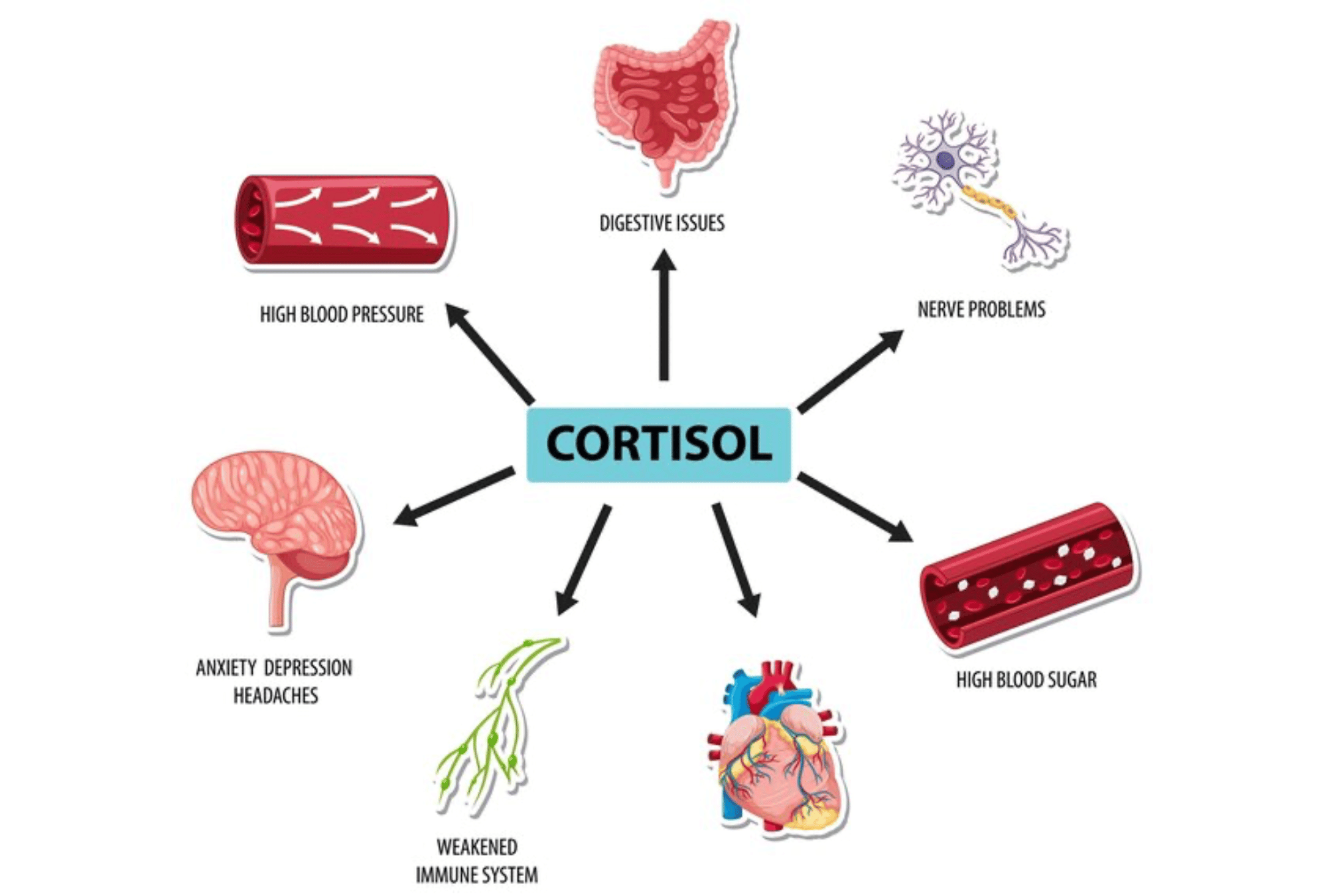
The stress hormone cortisol, like a vigilant conductor in the body's orchestra, orchestrates a comprehensive response to external stimuli, influencing a wide range of physiological processes. Cortisol is distinguished by its remarkable ability to modulate metabolism and unlock stored energy reserves, placing it at the center of the body's adaptive mechanisms.
Cortisol acts as a metabolic maestro during stressful situations, prompting the mobilization of energy from various sources within the body. It acts as a catalyst for the release of stored energy from the liver, adipose tissue (fat), and muscles, allowing for a quick and robust response to stressors. This coordinated mobilization of energy resources is a strategic adaptation that prepares the body for any dynamic challenges that may arise.

DHEA is also known as the "Anti-Aging hormone". Cholesterol is used to produce DHEA, primarily in the adrenal gland. DHEA production gradually decreases with age beginning at 25. This is why using a person's DHEA level to estimate their biological age is so accurate. Furthermore, DHEA acts as a precursor for the sex hormones estrogen and testosterone. DHEA, which directly opposes cortisol, balances the cortisol-induced stress response and aids in stress management.
The relationship between DHEA and the aging process is not coincidental; it is inextricably linked to its role as a precursor for sex hormones such as estrogen and testosterone. DHEA plays an important role in the delicate hormonal ballet that regulates reproductive health and overall well-being. Its role as a precursor emphasizes its importance as a fundamental building block for other hormones, giving it a broad impact on the body's endocrine symphony.
In the intricate dance of neurotransmitters within the human brain, Gamma-Aminobutyric Acid, or GABA, emerges as a maestro, orchestrating a symphony of effects that go far beyond its role as a chemical messenger. Positioned as a key player in the intricate ballet of the stress response, GABA plays a central role in modulating the delicate balance of stress hormones, resulting in a tapestry of effects spanning relaxation, cognition, and physiological well-being.
GABA's influence stems from its profound effect on the stress response. As a calming force in the neural landscape, GABA regulates stress hormones, creating a calming effect that spreads throughout the body and mind. GABA's inherent ability to induce relaxation positions it as a natural antidote to the tumultuous waves of stress, providing relief in the face of life's challenges.
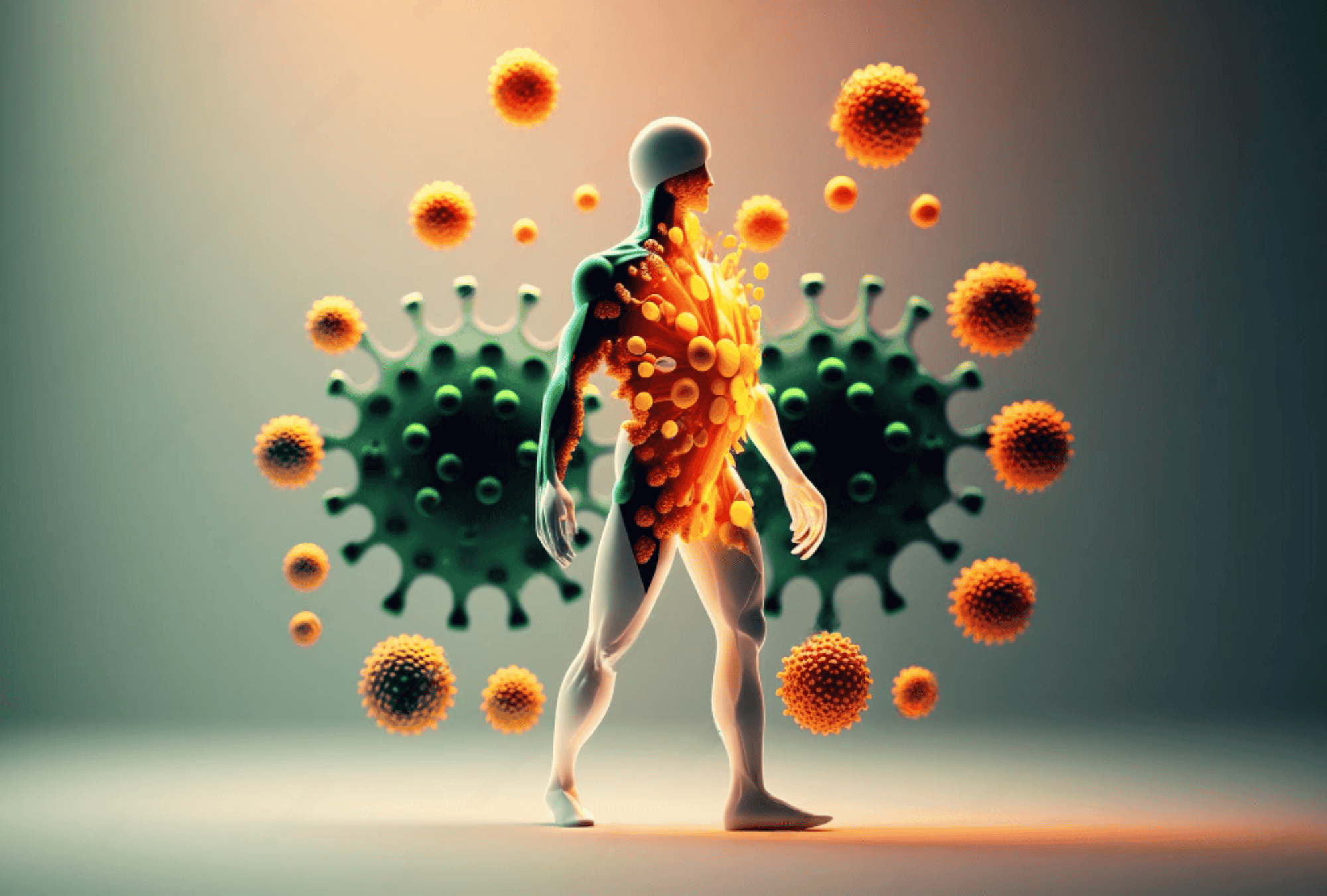
When other messenger substances are overactive, as happens under prolonged stress, an elevated level of GABA primarily acts as a counteracting agent. This is how the body tries the counterbalance or at least lessen the impact of the higher stress hormones.
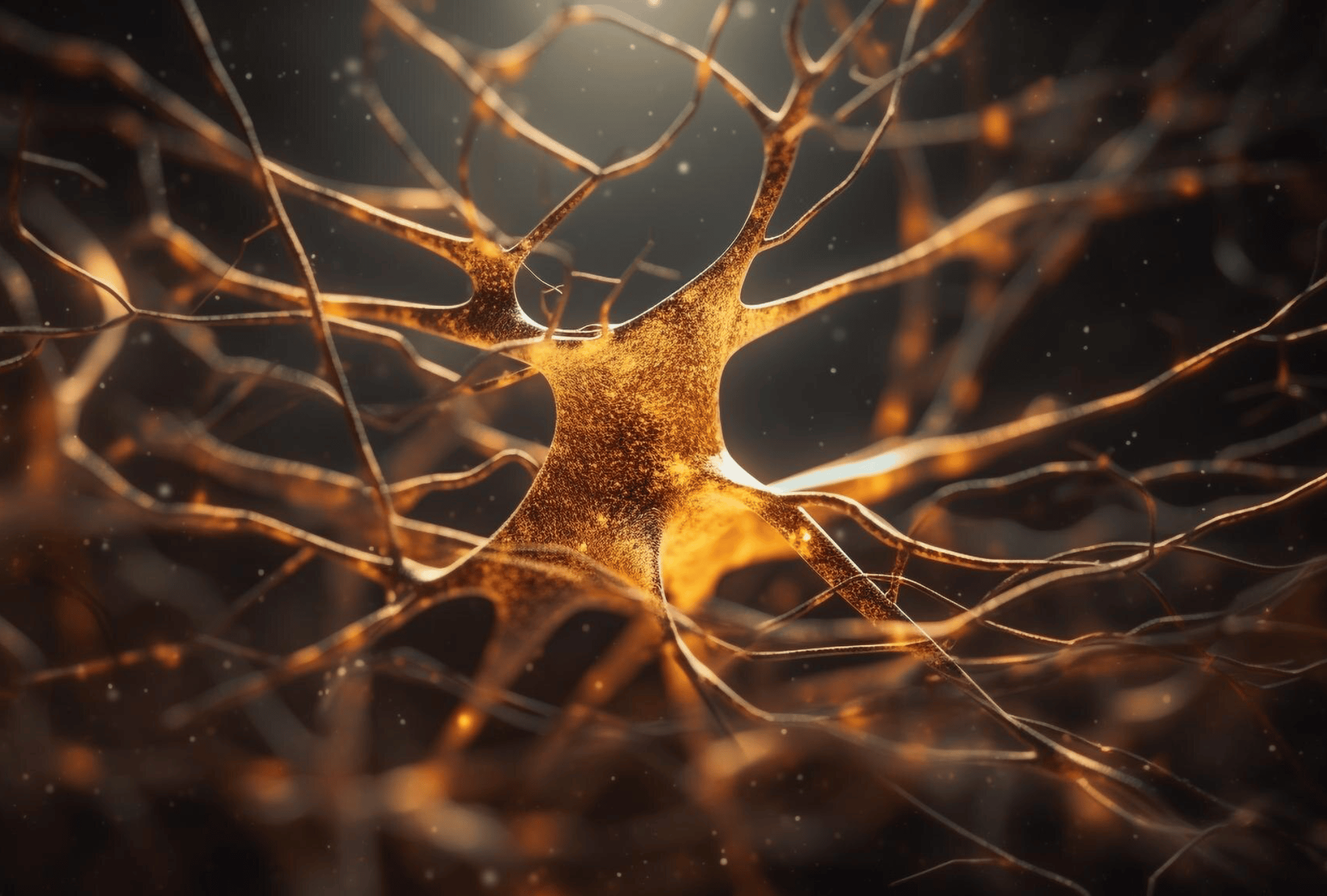
Several foods contain glutamate, which boosts their flavor. It is also commonly used as a flavor enhancer in commercially prepared meals and spices, where it is used in much higher dosages than in naturally occurring foods. The glutamate absorbed through food, however, does not reach the brain.
The messenger substance in the brain made of glucose and glutamic acid is what we will discuss below, not glutamate found in food. In the brain, glutamate plays a number of important roles. It is necessary for the brain's demanding functions, such as learning and memory, for intentional, controlled motions, and for the brain's ability to sense and adapt to its surroundings. Furthermore, glutamate participates in metabolic processes that clear the brain of potentially harmful ammonia.

