loading

Gut Microbiome Test

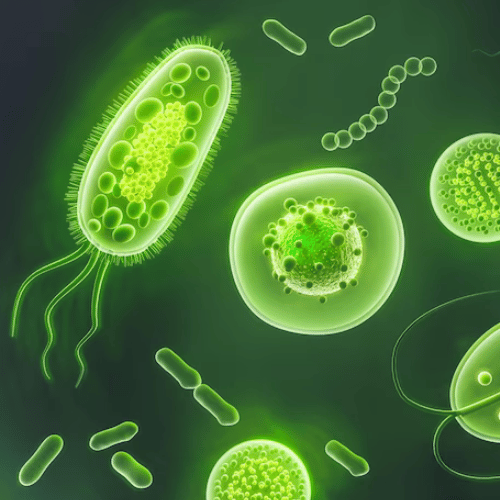
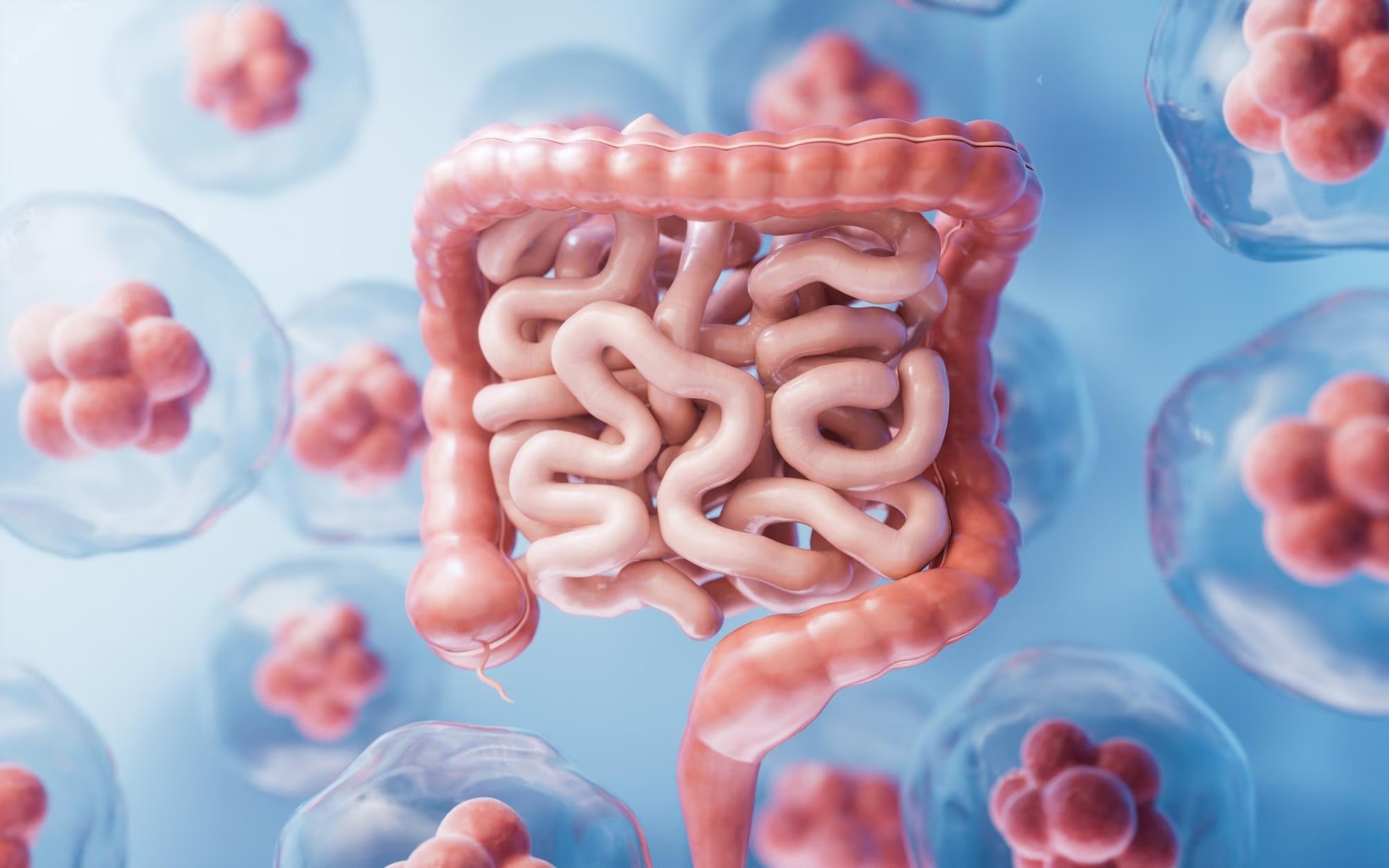
The gut, which contains trillions of vital microorganisms, is a powerhouse for digestion, metabolism, and immune function—a delicate balance required for overall health. A strong gut, free of chronic digestive issues such as IBS, IBD, or GERD, is essential for health. However, the link between the gut microbiome, leaky gut, and delayed food allergies is becoming increasingly popular.

The gut microbiota is closely related to a leaky gut, which has been linked to a variety of diseases associated with food allergies. Deciphering the microbiome provides new insights into this complex network of microorganisms that are critical to human health. Regular consumption of processed foods disrupts the bacterial balance, resulting in an increase in harmful bacteria and a decrease in beneficial ones.

This imbalance not only affects gut health but also increases food sensitivities. In addition, improper defecation can exacerbate the problem by allowing waste to linger in the intestines, fostering bad bacteria, weakening the immune system, and causing symptoms such as cough, headache, and insomnia, among others.

Symptoms
Gut Microbiome Symptoms
Digestive Irregularities
  • Constipation or Diarrhea: Frequent or chronic occurrences could signal an imbalance.
  • Bloating and Gas: Excessive gas and bloating may indicate digestive issues.
Weight Fluctuations
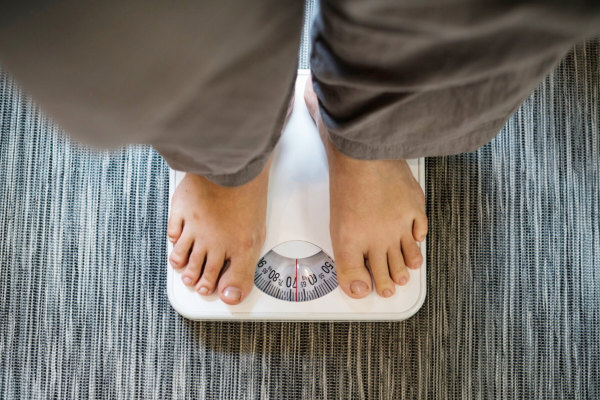
  • Weight Gain or Loss: Changes in the gut microbiome can influence metabolism and body weight.
Mood and Mental Health Disturbances
  • Anxiety and Depression: The gut-brain axis suggests a connection between gut health and mental well-being.
  • Brain Fog: Cognitive difficulties may be associated with imbalances in the gut microbiome.
Immune System Challenges
  • Frequent Infections: A weakened immune system due to gut issues may lead to recurrent infections.
Skin Conditions
  • Acne, Eczema, or Psoriasis: Skin health is linked to the gut, and imbalances can contribute to various skin conditions.
Food Cravings and Aversions
  • Unusual Cravings or Aversions: Changes in gut microbiota composition can influence food preferences.
Autoimmune Conditions
  • Rheumatoid Arthritis, Inflammatory Bowel Diseases: Autoimmune diseases may be associated with alterations in the gut microbiome.
Allergies and Sensitivities
  • Development of Allergies: Imbalances in the gut microbiota may contribute to the development of allergies.
Joint Pain
  • Inflammation in Joints: Joint pain and arthritis may be linked to inflammation in the gut.
Chronic Fatigue
  • Persistent Fatigue: Imbalances in the gut microbiome can contribute to overall health issues, including fatigue.

The Correlation between Gut Health and Sleep

  • Neurotransmitter Production: Our gut microbiota, the community of microorganisms in our intestines, plays a pivotal role in producing neurotransmitters like serotonin and GABA. These neurotransmitters are closely tied to mood regulation and, importantly, the quality of our sleep.
  • Inflammation: An imbalance in the gut, known as dysbiosis, leads to heightened inflammation. Persistent inflammation has been identified as a culprit behind various sleep issues, highlighting the intricate Gut-Sleep connection.
  • Regulation of the Circadian Rhythm: Picture the gut microbiota as the conductor of our internal orchestra, influencing the circadian rhythm. This internal clock orchestrates our sleep-wake cycles, making Gut health a silent maestro in our quest for restful nights.
  • Short-Chain Fatty Acids (SCFAs): Derived from the fermentation of dietary fibers by gut bacteria, Short-Chain Fatty Acids (SCFAs) step into the spotlight. These compounds are vital regulators of our sleep patterns.
  • Hormonal Regulation: Cortisol and melatonin are key hormones that ensure the sleep or sleeplessness of an individual.

The Correlation between Gut Health and Weight Gain/Loss

  • Dietary Influence: The kinds of foods you eat have an impact on the composition of your gut microbiome. Diets heavy in processed foods and low in fiber like chips,fries,noodles,etc. contribute to a disruption in the gut flora, which may have an influence on weight.
  • Energy Harvesting: Certain bacteria in the gut are more efficient at extracting energy from food, and an excess of these bacteria contributes to weight gain.
  • Inflammation: Inflammation is caused by imbalances in the gut flora, which is linked to obesity. Low-grade chronic inflammation impairs the body's capacity to manage weight.
  • Metabolism Regulation: The gut microbiota regulates nutrition metabolism and how the body stores and utilizes energy.
  • Hormone Regulation: Hormones involved in hunger and metabolism are regulated by the gut microbiota. Higher the amount of bad bacteria leads to improper digestion and obesity.

The Correlation between Gut Health and Fitness

  • Sedentary lifestyle and Obesity: A sedentary lifestyle is a risk factor for weight gain and obesity. Obesity has been linked to alterations in the gut microbiome, which might lead to an imbalance in the makeup of gut bacteria.
  • Metabolic Health Issues: Physical inactivity has been related to metabolic health concerns such as insulin resistance and poor glucose metabolism. These metabolic alterations have an effect on the gut microbiota.
  • Immune System Suppression: Inactivity weakens the immune system, leaving the body more prone to illnesses. The gut microbiome is critical for immune system modulation, and changes in the microbiome have an influence on immunological function.
  • Mood and Mental Health: Physical activity improves mood and mental health. Sedentary behavior is connected with an increased risk of sadness and anxiety, which may be linked to changes in the gut flora.

The Correlation between Gut Health and Digestion

  • Nutrient Absorption Issues: Impaired digestion can hinder the breakdown of nutrients, making it difficult for the body to absorb essential vitamins and minerals, leading to deficiencies and potential health complications.
  • Increased Inflammation: Chronic inflammation, linked to a range of health problems, including inflammatory bowel disease and other digestive disorders, can be exacerbated by disruptions in the gut microbiome.
  • Digestive Disorders: Improper digestion and dysbiosis can contribute to gastrointestinal inflammation and chronic digestive disorders such as irritable bowel syndrome (IBS), constipation, diarrhea, and gastroesophageal reflux disease (GERD).

10 Important Gut Microbiome Bacterias

Good Bacteria

BACTEROIDES

Increasing benefits: Improved digestion, stronger immune system, reduced risk of chronic diseases

Decreasing Drawbacks: Digestive problems, weakened immune system, increased risk of chronic diseases

FMD Gut Microbiome

CHRISTENSENELLA

Increasing benefits: Reduced inflammation, reduced risk of colon cancer

Decreasing Drawbacks: Increased inflammation, increased risk of colon cancer
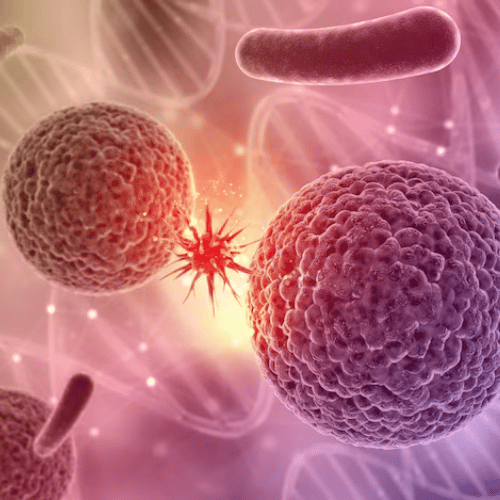
AKKERMANSIA

Increasing benefits: Healthy weight management, Improves digestion, and strengthens gut lining

Decreasing Drawbacks: Obesity, Chronic diseases like Type 2 Diabetes
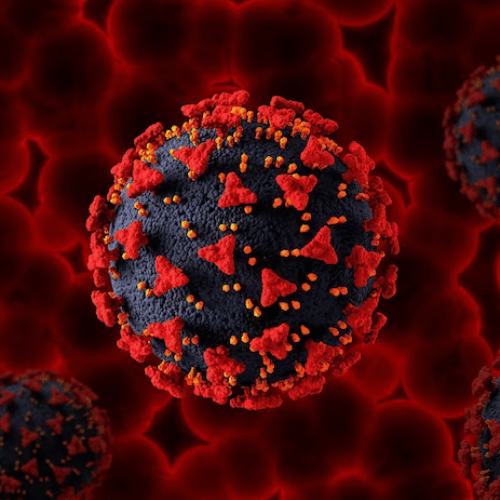
FMD Gut Microbiome

BIFIDOBACTERIUM

Increasing benefits: Improved digestion, stronger immune system, reduced risk of allergies and asthma

Decreasing Drawbacks: Digestive problems, weakened immune system, increased risk of allergies and asthma
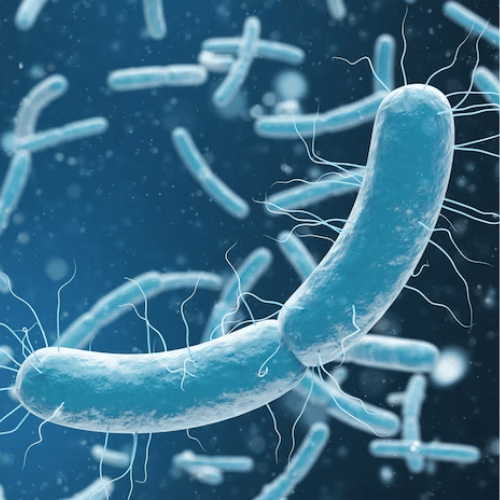
FMD Gut Microbiome

EUBACTERIUM

Increasing benefits: Reduced inflammation, reduced risk of colon cancer, improved gut barrier function, improved digestion

Decreasing Drawbacks: Increased inflammation, increased risk of colon cancer, impaired gut barrier function, digestive problems
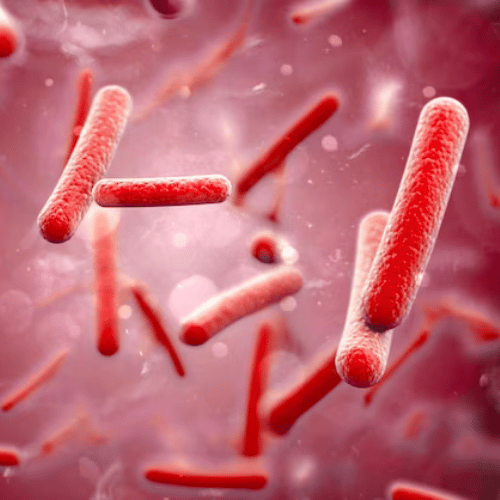
FMD Gut Microbiome

FAECALIBACTERIUM

Increasing benefits: Reduced inflammation, reduced risk of colon cancer

Decreasing Drawbacks: Increased inflammation, increased risk of colon cancer
FMD Gut Microbiome

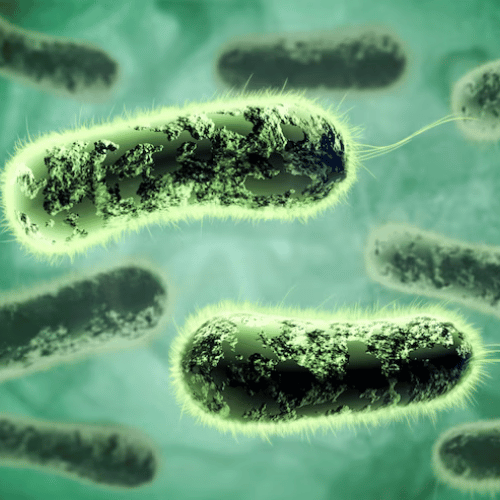
LACTOBACILLUS

Increasing benefits: Improved digestion, stronger immune system, reduced risk of diarrhoea and constipation

Decreasing Drawbacks: Digestive problems, weakened immune system, increased risk of diarrhoea and constipation
FMD Gut Microbiome

RUMINOCOCCUS

Increasing benefits: Improved digestion, reduced risk of nutrient deficiencies

Decreasing Drawbacks: Digestive problems, increased risk of nutrient deficiencies
Bad Bacteria

FMD Gut Microbiome

ENTEROCOCCUS

Increasing drawbacks: Enterococcal infections, such as endocarditis, urinary tract infections, and bacteraemia

Decreasing Drawbacks: Improved digestion, stronger immune system, reduced risk of diarrhoea and constipation

FMD Gut Microbiome

ENTEROBACTERIACEAE

Increasing drawbacks: Can cause diarrhoea and produce toxins that damage the intestine, cause intestinal complaints, and affect well-being

Decreasing Drawbacks: Improved digestion, stronger immune system, reduced risk of food poisoning